Our Story
It Started with a Small Clay Pot
माँ के हाथ का एहसास
Jodhpur, 1972 to today — three generations of recipes, one kitchen's smell.
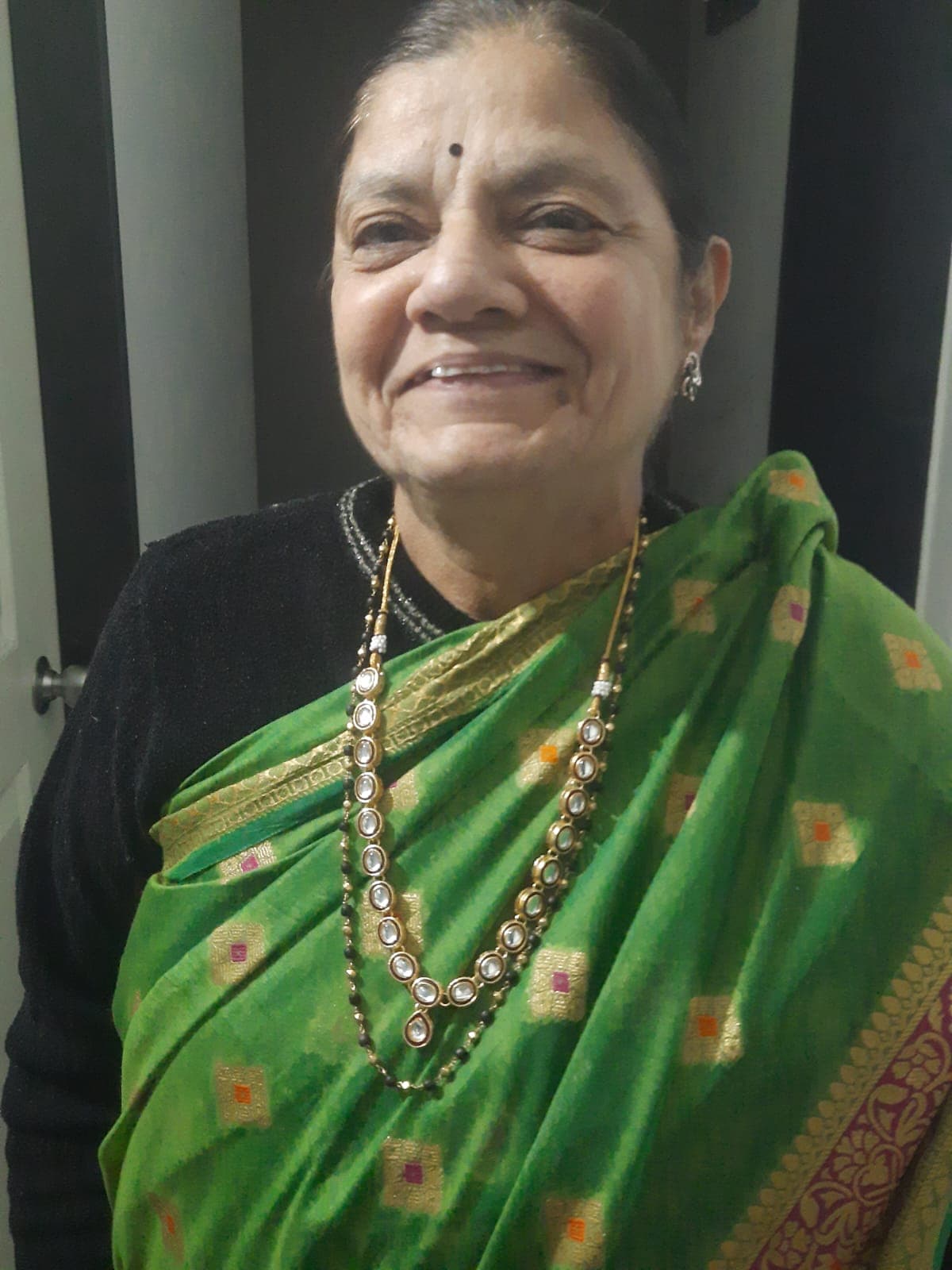
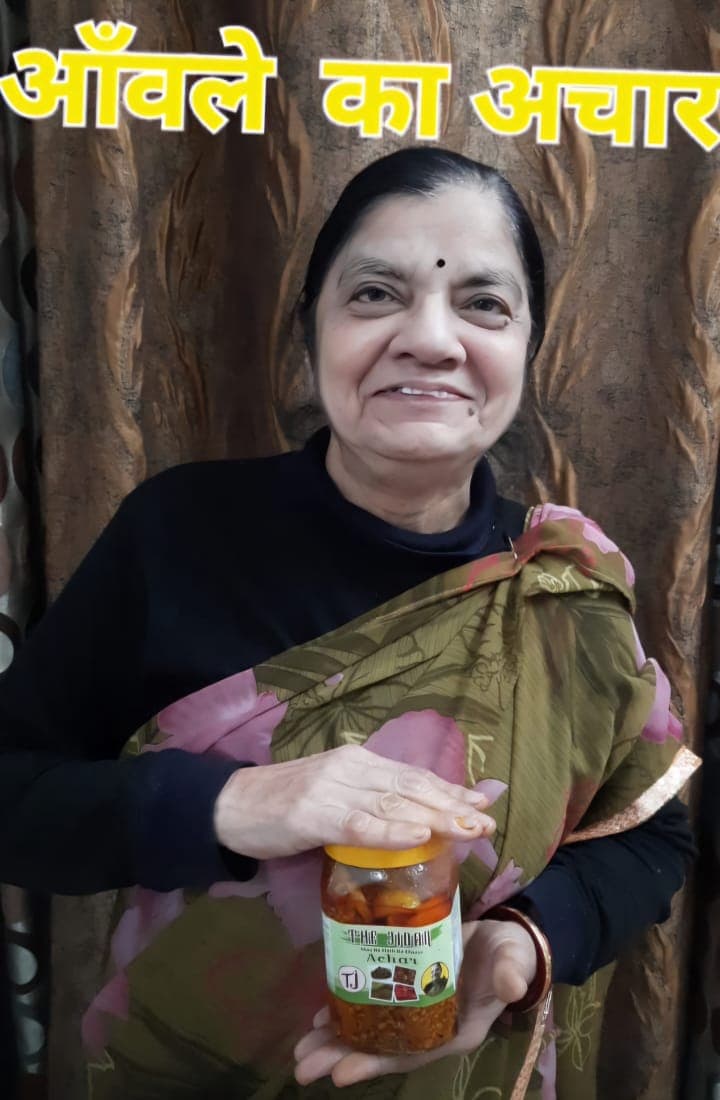
It was May of 1972. Jodhpur was burning at 46 degrees. Dadi was 24 years old, newly arrived in her husband's home, carrying everything she owned in two steel trunks. At the bottom of the second trunk, wrapped in an old dupatta, was a small clay pot sealed with a cloth and tied with string. Her mother had packed it herself the night before the wedding, while Dadi slept.
Inside the pot was raw mango pickle.
Not the first batch she had made — her mother had been making it since before Dadi could remember. But it was the last jar of that kitchen. Her mother had pressed it into her hands at the door of the doli and said: "When you open this in your new home, open it slowly. Smell it first. That's the smell of coming home whenever you're far from it."
Dadi didn't open the pot for three months. She wanted to wait until she missed it enough.
When she finally did — one monsoon afternoon, the rain hitting the courtyard in sheets, dal cooking on the stove — the smell of mustard oil and raw mango and heeng filled the kitchen so completely that she had to sit down.
She made her first batch in her new home that October.
For thirty years, the pickle lived in her kitchen and no one else's. Steel dabbas stacked in the cool room. Clay matkis sealed in May and opened slowly through the year. Her daughter-in-law learned to make it by watching. Her grandchildren grew up eating it at every meal — with dal, with paratha, with plain rice, sometimes directly from the jar with a finger.
When her son moved to Delhi in 1993, she sent a dabba with him. When her granddaughter went to London for university in 2019, she packed three jars — ker sangri, kaccha aam, and bharwa gunda — in the checked luggage with strict instructions to not let customs see them.
The granddaughter lost the ker sangri at the airport.
She called home crying, more about the pickle than the flight. Dadi listened, then said: "Tell me what you ate with dinner." Nothing tasted right, the granddaughter said. The dal was fine. The roti was fine. But something was missing. "The achaar," Dadi said. "You always forget how much of the taste is the achaar."
A jar arrived by post three weeks later, packed in bubble wrap and newspaper, marked "food — homemade." She ate it with everything. She shared it with her Indian flatmates. By the end of the semester, four different families had asked where they could get the same pickle.
The Jidan began not as a business. It began as a question: how do you send your grandmother's kitchen to everyone who needs it?
Every jar we make is the answer to that question.
Ingredients of the Thar
What Makes Marwari Pickles Unique
Ker(केर)
A wild berry (Capparis decidua) that grows only in the Thar Desert. Tart, earthy, and irreplaceable.
Sangri(सांगरी)
Dried beans of the khejri tree — the tree of life in the desert. Mild, sweet, and deeply nutritious.
Gunda(गूंदा)
A sticky Cordia berry found in Rajasthan. Dense, chewy, and complex — it transforms every pickle it's in.
Kachri(कचरी)
A small wild melon (Cucumis callosus) used as a souring agent. Found only in Rajasthani cooking.
Why Pickle in Rajasthan?
For centuries, the Thar Desert had almost no fresh vegetables. Summers reached 48°C. Every Marwari household's May was pickle month — clay matkis sealed with spiced oil, made to last through the year. What was made in May was still being eaten in December, the flavors deepening with every passing week. Pickling was not a hobby. It was a lifeline, passed from mother to daughter across generations, as much a part of the household as the chulha itself.
Read the full story of these ingredients →