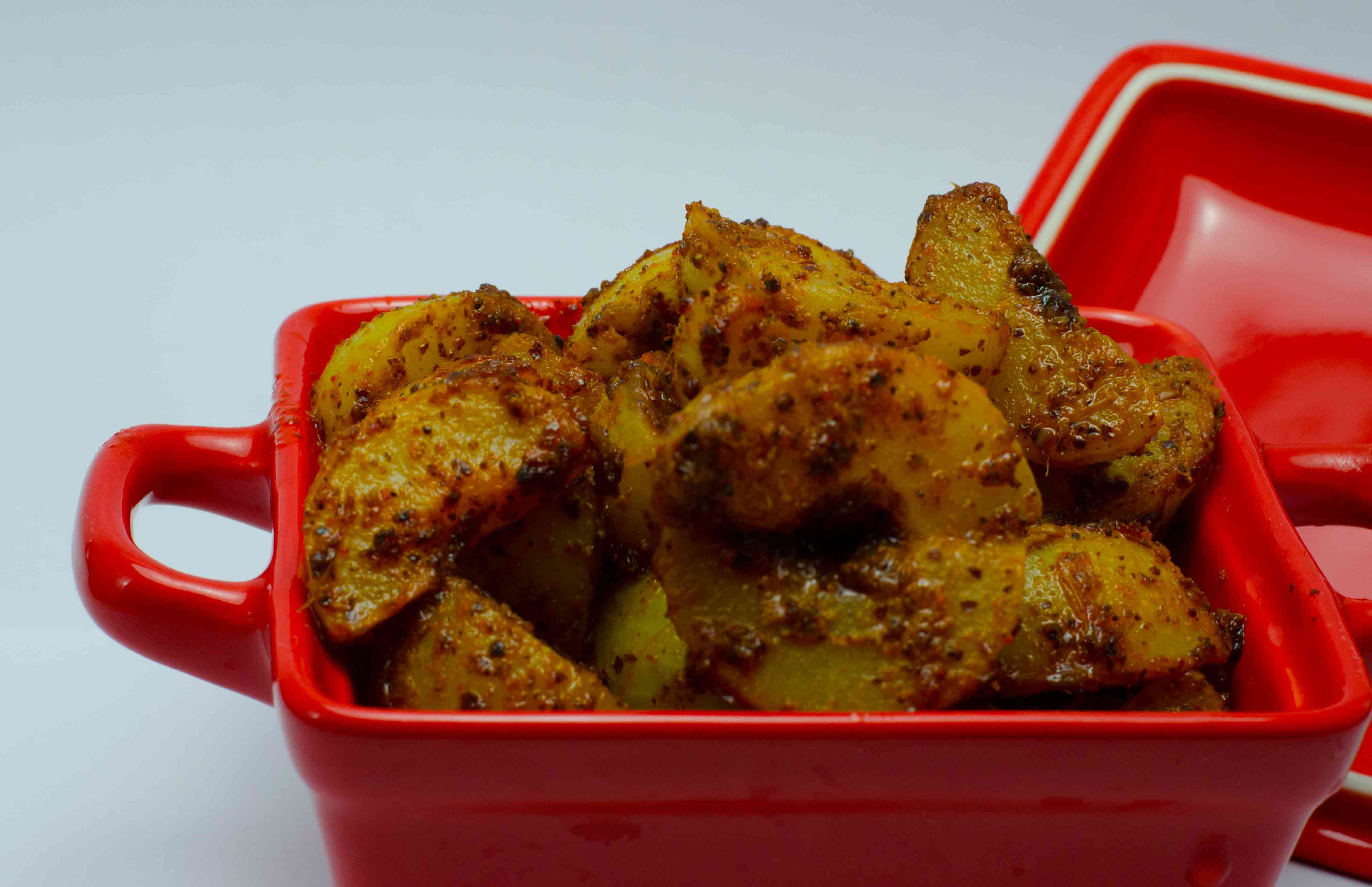
Amla — The Fruit That Ancient Texts Called Immortal
For 3,000 years, Ayurveda has considered amla the most powerful food on earth. The science actually agrees.
What Amla Is
Amla (Indian gooseberry, Phyllanthus emblica) is a small, round, pale green fruit roughly the size of a golf ball. It grows on medium-sized trees across the Indian subcontinent and is harvested in winter — roughly October to February. The taste is famously complex: sour, bitter, astringent, and slightly sweet, all at once. It is not a comfortable first experience for most people.
But it grows on you. And once it does, it becomes one of those tastes that you miss with a specific, physical longing — especially if you grew up in a household where it was eaten raw in winter, rolled in black salt.
The Science Behind the Ancient Claims
Most Vitamin C is destroyed by heat. Amla's is not. This is genuinely unusual — almost no other food retains its Vitamin C through cooking, pickling, or drying. The compound responsible is ellagic acid, a polyphenol that also acts as a natural preservative. It is the reason amla pickle keeps as long as it does, and the reason amla was used in Indian medicine for millennia before anyone understood the mechanism.
Amla is also exceptionally high in chromium, which is linked to blood sugar regulation, and in antioxidants that protect cells from oxidative damage. The Charaka Samhita was describing real effects — they just didn't have the vocabulary for them.
Amla Muraba and the Wedding Tray
In traditional Rajasthani weddings, amla muraba is one of the items sent from the bride's family to the groom's family in the sagun thali — the auspicious gift tray. This is not coincidental: muraba represents sweetness and preservation, two qualities wished upon a new marriage.
Dadi's amla muraba is made without synthetic preservatives — just amla, sugar, cardamom, and a few spices. The cooking requires watching: muraba goes from syrupy to crystallized quickly, and the only way to tell is experience. She hasn't needed a thermometer in thirty years.
माँ के हाथ का एहसास
The pickles that carry all these ingredients — made by Dadi's hands in Jodhpur, shipped wherever you are.
Browse PicklesMore from the Desert
 Ker
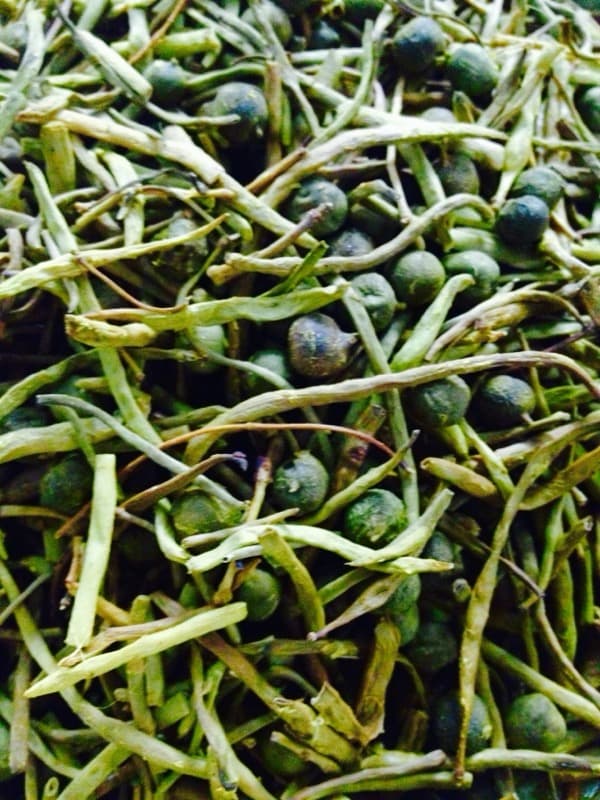
KerKer — The Berry That Only the Thar Desert Can Grow
Ker is a small wild berry that grows on thorny desert scrub and survives temperatures that would kill almost everything else. It is the taste that no other ingredient can replicate — the reason Marwari pickle is unlike any other pickle in India.
Read more →
SangriSangri — The Bean the Desert Calls Sacred
Sangri is the dried bean pod of the khejri tree — the most revered tree in all of Rajasthan. Its story is a story of the desert, of survival, and of a community that gave their lives to protect it.
Read more →
 Gunda
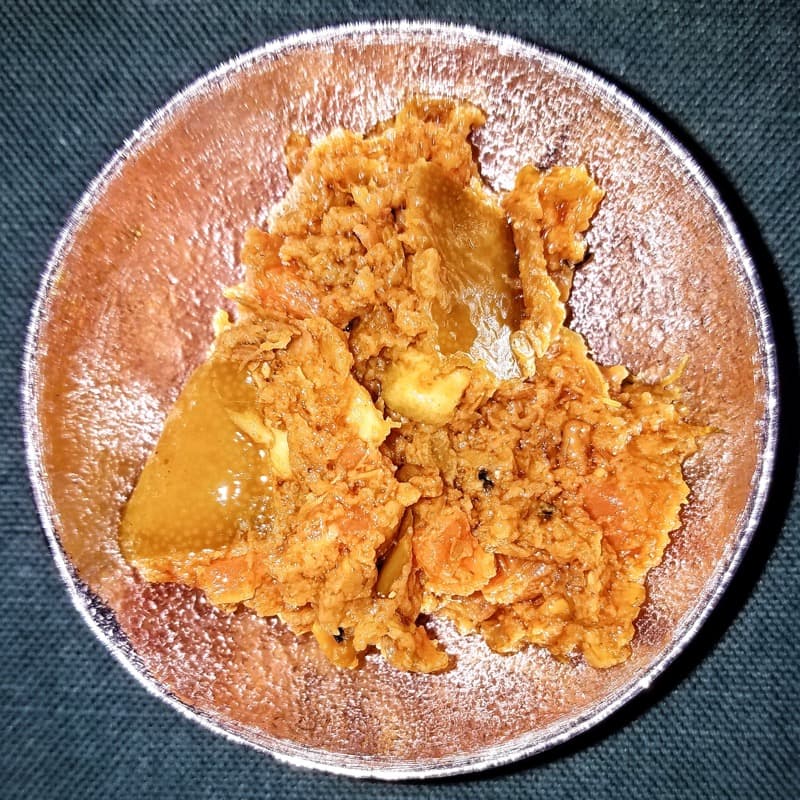
GundaGunda — Rajasthan's Sticky, Irreplaceable Secret
If you grew up in a Rajasthani or Gujarati household, you know gunda before you understand what it is — by the sticky texture, the chewy bite, the stone that clings to the flesh unlike any other fruit. If you haven't, gunda is the ingredient most likely to make you say: I have never tasted anything like this.
Read more →