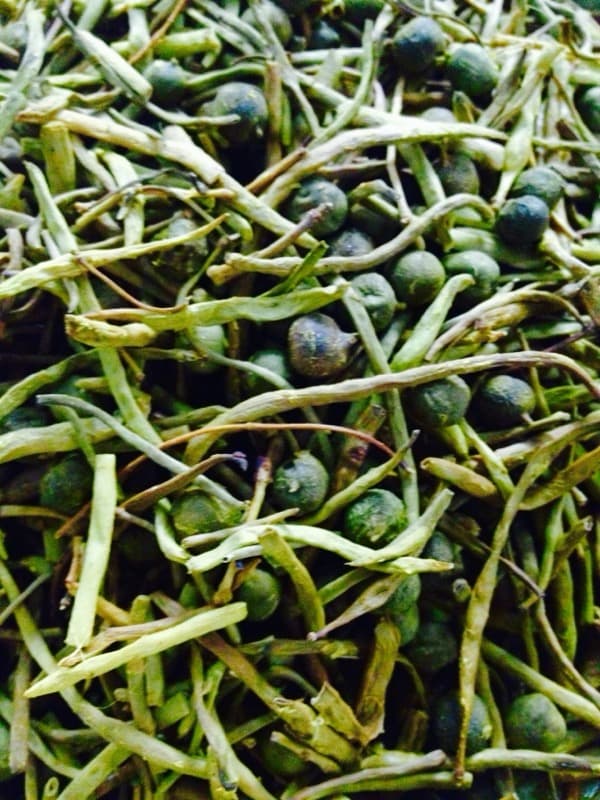
Ker — The Berry That Only the Thar Desert Can Grow
Why the most Rajasthani ingredient on earth cannot be found anywhere else
Raw mango is found across India. Lemon is universal. Green chilli grows in every state. But ker? Ker belongs to Rajasthan. It belongs to the thorny, parched scrubland of the Thar, to the low-growing Capparis decidua bush that somehow survives temperatures that would kill almost everything else. It is one of the most Rajasthani things on earth — and it is the reason Marwari pickle tastes like nothing else in the country.
What Ker Is
Ker (Capparis decidua) is a small, round wild berry — roughly the size of a pea — that grows on thorny leafless shrubs across the Thar Desert. The plant blooms in spring and bears fruit before the monsoon. Because the desert gets so little rain, the plant has evolved to drop its leaves entirely and photosynthesize through its green stem. Ker is gathered by hand from wild bushes, sun-dried, and stored for use throughout the year.
You cannot cultivate ker commercially. No farm produces it. It is a wild ingredient, which means its supply is entirely seasonal and dependent on the desert's own rhythms. A good ker season brings abundance; a bad one means you go without.
The Taste
Raw ker is intensely bitter and astringent. It needs preparation — soaking, salting, and cooking — before it becomes the tangy, earthy, slightly sour ingredient at the heart of Rajasthani cooking. Pickled ker has a unique sharpness that no other ingredient can replicate. It cuts through fat and oil in a way that makes rich Marwari dal and baati seem lighter, more alive.
There is no substitute for ker. If you grew up with ker sangri pickle, you know this. Nothing else tastes like home in quite the same way.
Why Rajasthan Ran on Ker for Centuries
For centuries, Rajasthan had almost no fresh vegetables. The Thar Desert is not an agricultural landscape — summers reach 50°C, groundwater is scarce, and what grows, grows because it evolved to survive conditions nothing else can.
For the Marwari and Rajput communities who have lived here for millennia, the question of food was always a question of preservation. What could survive summer? What could be dried, pickled, or stored in sealed clay pots to be opened months later?
Ker was the answer. Dried, it lasts for a year. Pickled in mustard oil with sangri, it deepens in flavor over weeks. It is the reason a Marwari family could eat well through a desert summer with almost no access to fresh produce — and why these preservation traditions became an art form passed down through generations of women who made them.
In Dadi's Kitchen
Our ker comes from the same desert vendors our family has sourced from for decades. Gathered wild before the monsoon, dried in the sun, and brought to our home in Jodhpur every season. Dadi inspects every batch by hand — she can tell by the color and the texture whether it was gathered at the right time. Too late in the season and the berry is overripe; too early and the bitterness doesn't cook out properly.
The ker in our pickles has not changed in three generations. It doesn't need to.
माँ के हाथ का एहसास
The pickles that carry all these ingredients — made by Dadi's hands in Jodhpur, shipped wherever you are.
Browse PicklesMore from the Desert
SangriSangri — The Bean the Desert Calls Sacred
Sangri is the dried bean pod of the khejri tree — the most revered tree in all of Rajasthan. Its story is a story of the desert, of survival, and of a community that gave their lives to protect it.
Read more →
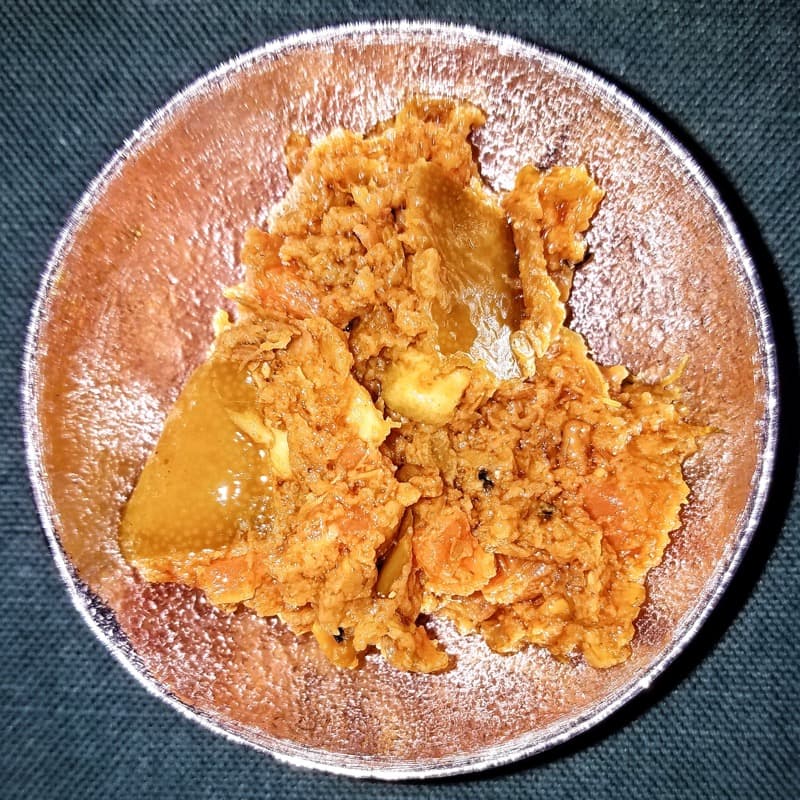 Gunda
GundaGunda — Rajasthan's Sticky, Irreplaceable Secret
If you grew up in a Rajasthani or Gujarati household, you know gunda before you understand what it is — by the sticky texture, the chewy bite, the stone that clings to the flesh unlike any other fruit. If you haven't, gunda is the ingredient most likely to make you say: I have never tasted anything like this.
Read more →
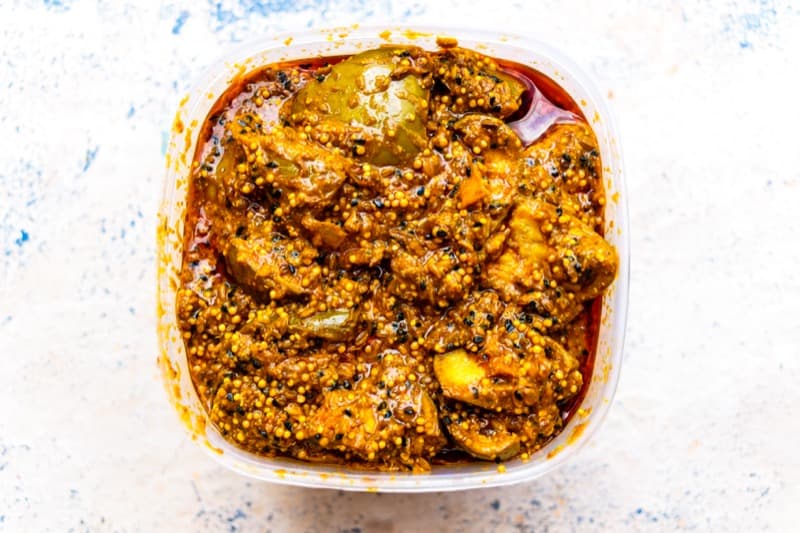 Raw Mango
Kaccha Aam — The Sound of Summer in Every Rajasthani Kitchen
Every Rajasthani kitchen has a sound in May. It's the sound of a knife coming down on a raw mango — that specific crack as the blade meets hard, unripe flesh. In every household that pickles, this sound means summer has arrived. It means the year's most important kitchen work is beginning.
Read more →