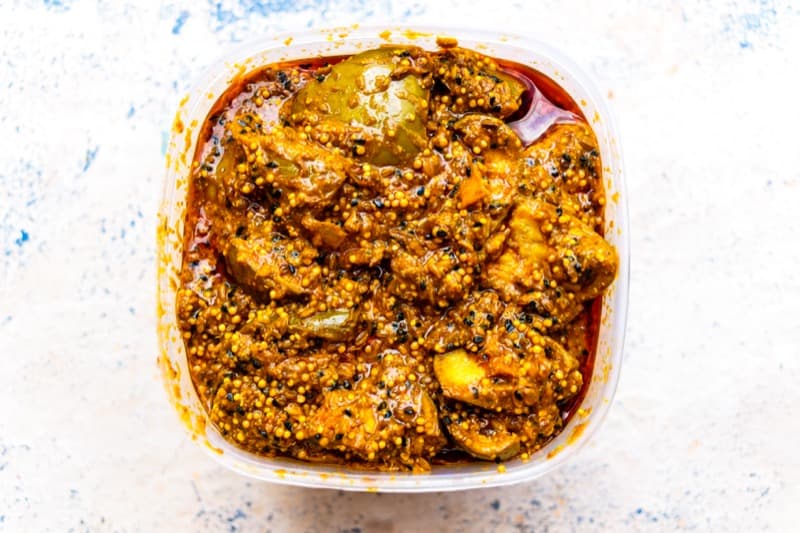
Kaccha Aam — The Sound of Summer in Every Rajasthani Kitchen
Why raw mango pickle is not just a condiment but a family ritual that marks the turning of the year
Why Raw and Not Ripe?
Across cultures and cuisines, green, unripe mango is used for preservation rather than eating fresh. The reason is chemistry. Raw mango is extremely high in pectin — the natural gelling agent that helps preserves set — and has a tartness from malic and citric acids that ripe mango loses. Both qualities are essential for pickling: they help the pickle hold its texture and provide the sourness that balances mustard oil and spice.
Ripe mango is delicious, but it would dissolve in pickle oil within days. Raw mango holds firm for months, sometimes years, deepening in flavor rather than deteriorating. This is the reason raw mango pickle is made in summer and eaten through the following year — the unripe fruit, preserved at its most acidic, becomes something entirely different from what it started as.
The May Ritual
In Rajasthani households — and across North India — May is pickle month. Raw mangoes are harvested in March and April and are at their firmest and most acidic in May, just before the monsoon that will ripen them. The heat of May (which in Jodhpur can reach 48°C) is actually useful: it dries the cut mango, accelerates the salt-cure process, and helps stabilize the oil seal.
Traditional homes would make the year's supply of kaccha aam pickle in a single long session in May, sealing it in large clay matkis (earthen pots) that were stored in a cool, dark room. These matkis would be opened through the year, each opening releasing the smell of mustard oil and spice that had been deepening since summer.
The making itself was communal — women from the household and sometimes neighboring houses working together, cutting, mixing, filling, sealing. It was a day that smelled like raw mango and reverberated with the sound of stone grinding on stone as the spice blend was freshly prepared.
In Dadi's Kitchen
Dadi selects the mangoes herself at the market, pressing them to check firmness, rejecting anything too ripe. The key, she says, is the texture: the mango should resist the knife. If it gives easily, it's already too ripe.
The spice blend she uses for kache aam pickle has been in our family for three generations. It includes heeng (asafoetida) in a proportion that differs from most recipes you'll find anywhere — a small but decisive difference that makes the oil taste like hers and no one else's.
माँ के हाथ का एहसास
The pickles that carry all these ingredients — made by Dadi's hands in Jodhpur, shipped wherever you are.
Browse PicklesMore from the Desert
 Ker
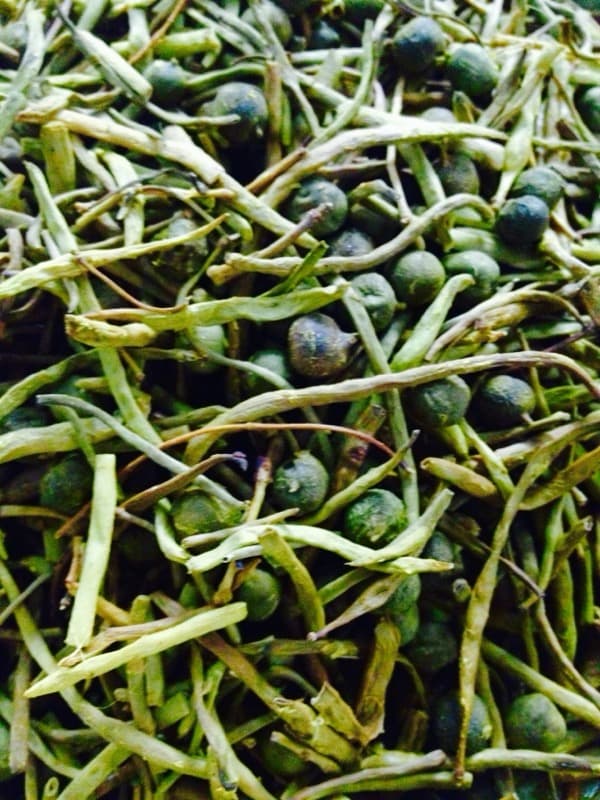
KerKer — The Berry That Only the Thar Desert Can Grow
Ker is a small wild berry that grows on thorny desert scrub and survives temperatures that would kill almost everything else. It is the taste that no other ingredient can replicate — the reason Marwari pickle is unlike any other pickle in India.
Read more →
SangriSangri — The Bean the Desert Calls Sacred
Sangri is the dried bean pod of the khejri tree — the most revered tree in all of Rajasthan. Its story is a story of the desert, of survival, and of a community that gave their lives to protect it.
Read more →
 Gunda
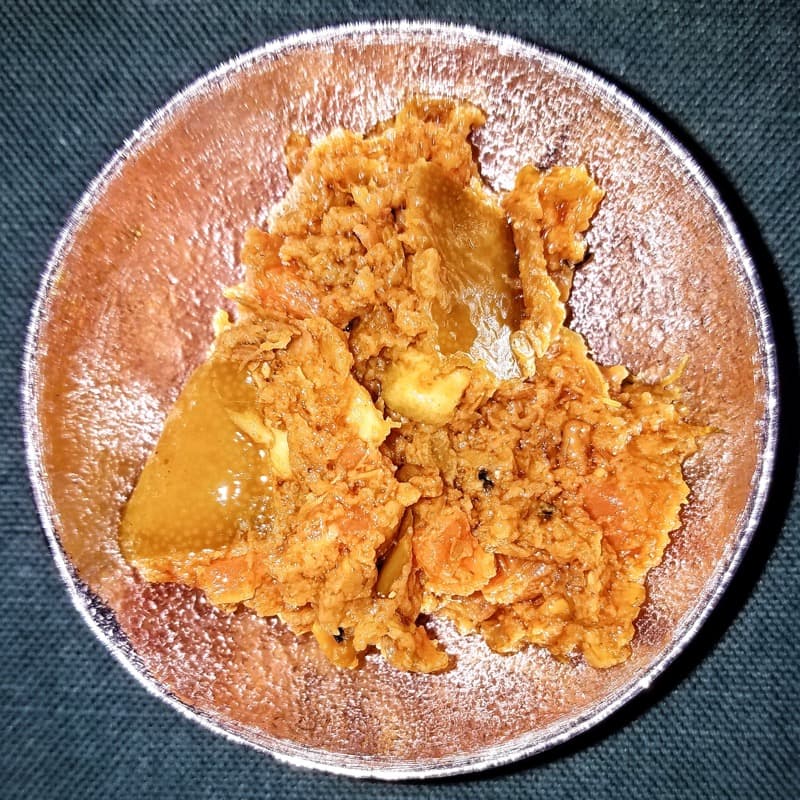
GundaGunda — Rajasthan's Sticky, Irreplaceable Secret
If you grew up in a Rajasthani or Gujarati household, you know gunda before you understand what it is — by the sticky texture, the chewy bite, the stone that clings to the flesh unlike any other fruit. If you haven't, gunda is the ingredient most likely to make you say: I have never tasted anything like this.
Read more →